


What Does a Postpartum Doula Do?
The postpartum period is a time of healing, adjustment, and growth. You deserve support that feels calm, respectful, and empowering.
A Complete Guide for New Parents
The postpartum period is a time of profound change—physically, emotionally, and mentally. While so much attention is given to birth, many families are left wondering: Who supports us after the baby arrives?
That’s where a postpartum doula comes in.
This guide explains exactly what a postpartum doula does, how they support families, and why postpartum care matters.
What Is a Postpartum Doula?
A postpartum doula is a trained, non-medical professional who provides emotional, physical, and practical support to families after the birth of a baby. Their focus is not just the newborn—but the entire family, with special care centered on the mother.
Postpartum doulas offer in-home support during the early weeks and months after birth, helping families adjust with confidence and calm.
Emotional Support for New Parents
One of the most important roles of a postpartum doula is emotional support.
A postpartum doula:
- Provides a safe, non-judgmental space to talk
- Listens and validates postpartum emotions
- Helps normalize the ups and downs of early parenthood
- Offers reassurance during moments of uncertainty
This emotional presence can be especially valuable during times of hormonal shifts, sleep deprivation, and identity changes.
Physical Recovery Support for the Mother
Healing after birth takes time. A postpartum doula supports maternal recovery by:
- Encouraging rest and nourishment
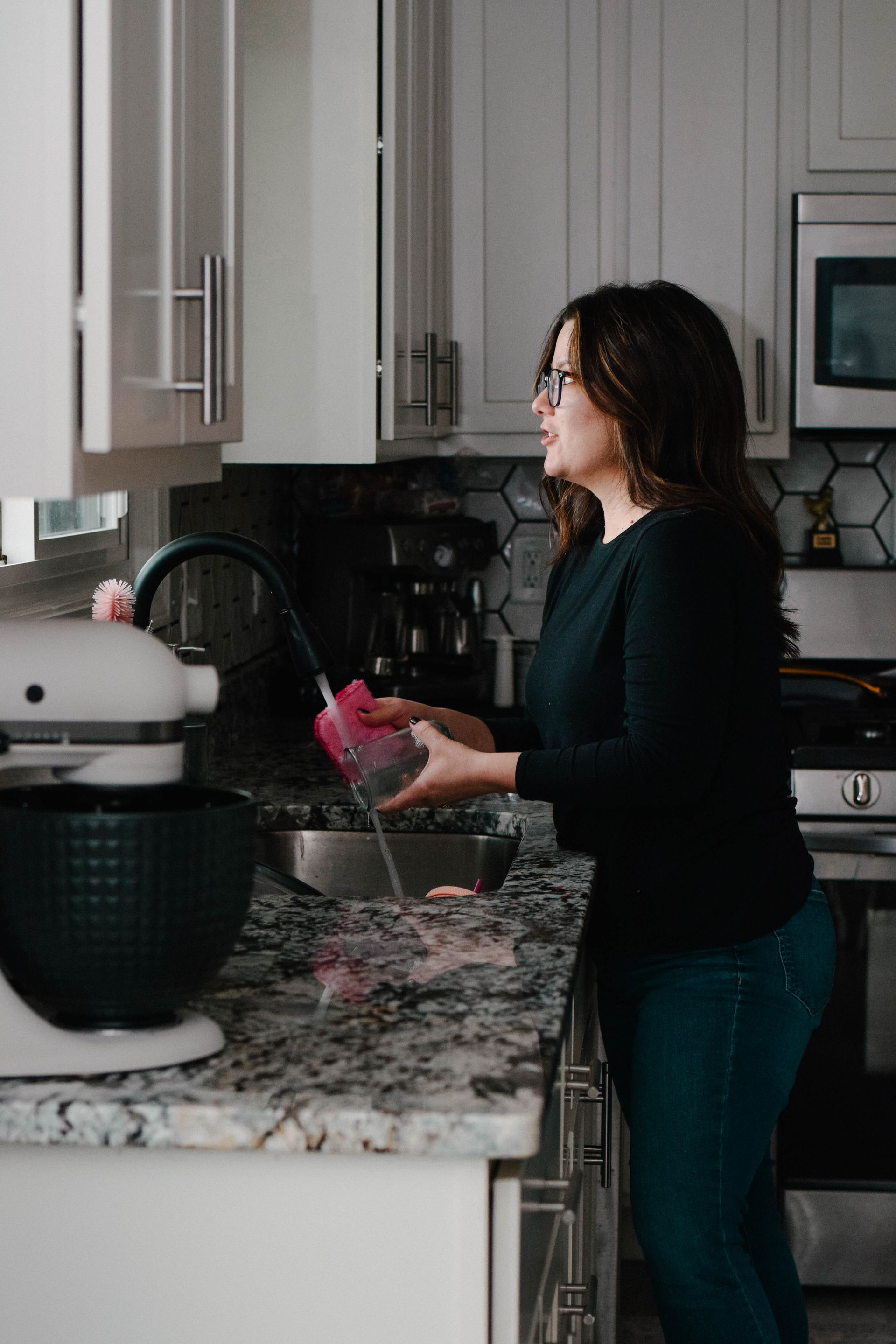
- Assisting with light household tasks
- Supporting postpartum comfort routines
- Helping reduce physical strain related to newborn care
When a mother is cared for, recovery is often smoother and more sustainable.
Newborn Care Education and Hands-On Help
Postpartum doulas help parents feel confident in caring for their baby by offering gentle, practical guidance.
This may include:
- Feeding support (breast, bottle, or combination)
- Diapering, soothing, and understanding baby cues
- Infant sleep education and realistic expectations
- Establishing flexible routines that work for your family
Rather than telling parents what to do, postpartum doulas empower families to find what feels right for them.
Overnight Support and Rest Protection
Many postpartum doulas offer overnight care to help parents get much-needed rest.
Overnight support can include:
- Newborn care during the night
- Feeding support as needed
- Light tidying or bottle preparation
- Ensuring parents get uninterrupted sleep
Quality rest is essential for mental health, healing, and bonding.
Support for Postpartum Mental Health
Postpartum mood changes are common, and early support can be protective.
A postpartum doula:
- Helps identify signs of postpartum anxiety or mood disorders
- Creates personalized postpartum anxiety or support plans
- Encourages coping tools and grounding strategies
- Provides referrals to additional resources when needed
While postpartum doulas do not diagnose or treat mental health conditions, they play a key role in early support and prevention.
Support for the Whole Family
Postpartum doulas support the entire household, not just the baby.
This may include:
- Helping siblings adjust to a new baby
- Supporting partners in their new roles
- Creating a calm, organized home environment
- Offering guidance on family communication and boundaries
This holistic approach helps families feel more connected and supported.
What a Postpartum Doula Does Not Do
It’s also helpful to understand boundaries.
A postpartum doula:
- Is not a medical provider
- Does not replace doctors, midwives, or nurses
- Does not provide clinical care or diagnosis
Instead, postpartum doulas complement medical care by offering consistent, personalized support at home.
When Should You Hire a Postpartum Doula?
Many families hire a postpartum doula:
- Before baby arrives to plan postpartum care
- Immediately after birth
- During the first weeks or months postpartum
There is no “too late” when it comes to support.
Why Postpartum Support Matters
Postpartum care is essential, not optional. With the right support, families can experience:
- Reduced stress and anxiety
- Improved recovery and rest
- Increased confidence in parenting
- A smoother transition into life with a newborn
You were never meant to do this alone.
Final Thoughts
A postpartum doula provides compassionate, knowledgeable, and consistent support during one of life’s most vulnerable seasons. By caring for the parents, they help create a foundation of calm, confidence, and connection for the entire family.
Because postpartum care should be just as important as birth care.
Related Article:


Meet Kayla Clark – Postpartum Doula in Central Illinois
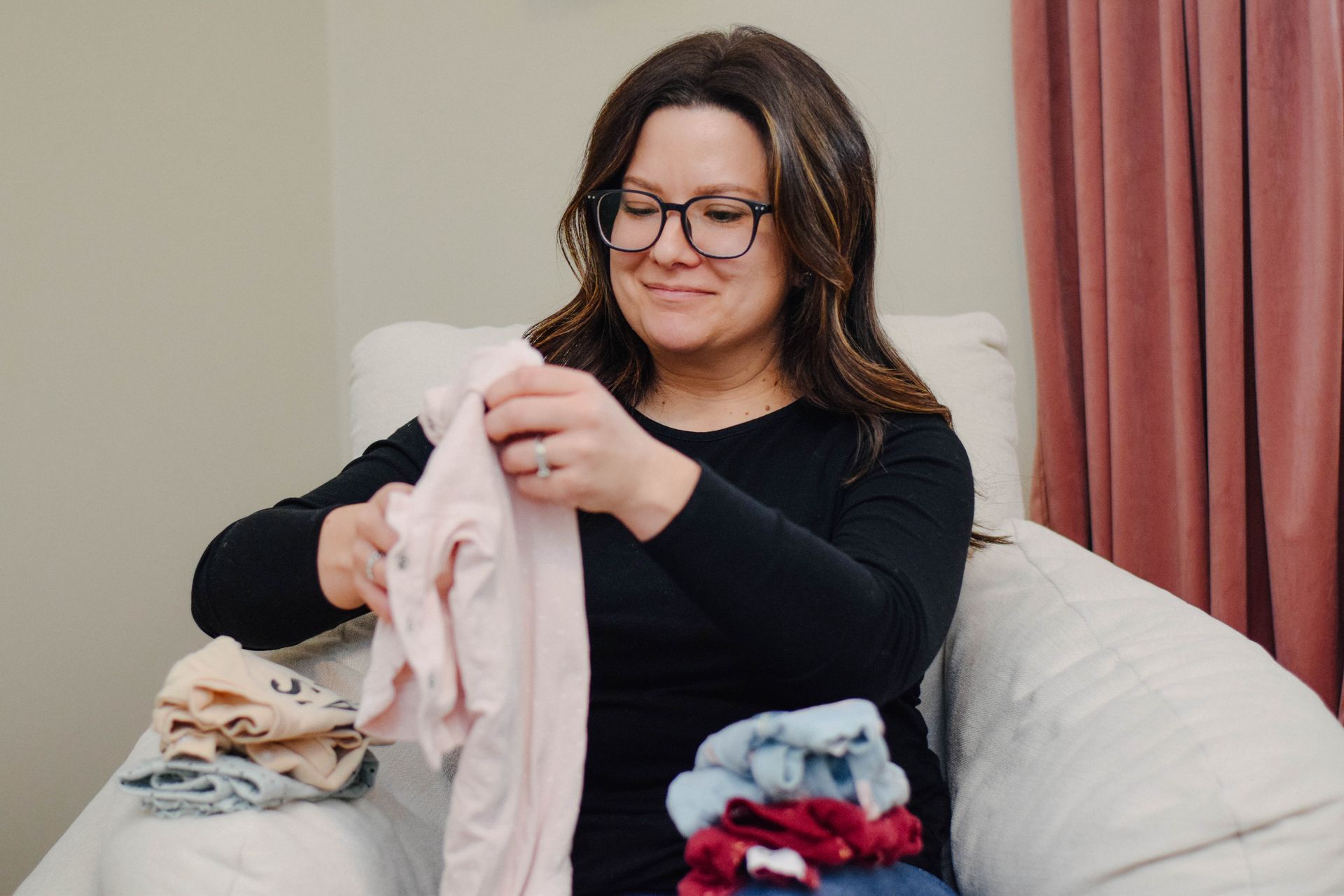
Hi, I’m Kayla Clark, a postpartum doula based in Central Illinois, supporting families through one of the most tender and transformative seasons of life.
I’m 31, married to my best friend of 10 years, and a proud pet mama to a sweet dog and two cats. When I’m not caring for new families, you’ll usually find me enjoying a peaceful day at the lake, spending quality time with loved ones, or participating in volunteer ministry work—which is very close to my heart.
Supporting parents after baby arrives is not just my work—it’s a privilege. I’m honored to walk alongside families as they recover, adjust, and grow in confidence during the postpartum period.