
Postpartum Doula vs. Nanny: What’s the Difference and Which Do You Need?
The postpartum period is a time of healing, adjustment, and growth. You deserve support that feels calm, respectful, and empowering.
What’s the Difference and Which Do You Need?

When you’re expecting or adjusting to life with a new baby, it’s common to wonder what type of support will best meet your family’s needs. Two roles that are often confused are postpartum doulas and nannies. While both provide valuable care, they serve very different purposes.
Understanding the difference can help you choose the right support for your family—and your stage of life.
What Is a Postpartum Doula?
A postpartum doula is a trained, non-medical professional who provides emotional, physical, and practical support to families during the postpartum period. Their focus is on supporting the parents—especially the mother—while helping the family adjust to life with a newborn.
Postpartum doulas typically work during the early weeks and months after birth and provide short-term, specialized support.
Postpartum Doula Support Includes:
- Emotional reassurance and non-judgmental listening
- Support for postpartum recovery and rest
- Newborn care education and confidence-building
- Feeding support (breast, bottle, or combination)
- Overnight care to protect sleep
- Light household help related to baby and mom
- Support for postpartum mood changes and anxiety
The heart of postpartum doula care is nurturing the parent so they can nurture the baby.
What is a Nanny?
A nanny is a childcare professional whose primary role is ongoing care for children. Nannies are often hired long-term and may work full-time or part-time to support a family’s childcare needs as parents return to work or manage busy schedules.
Nannies focus primarily on the child, rather than postpartum recovery or emotional support for the parents.
Nanny Support Typically Includes:
- Day-to-day childcare
- Maintaining a child’s schedule
- Feeding, play, and naps
- Child-related housekeeping
- Long-term consistency and routine
Nannies are ideal for families seeking ongoing childcare support rather than postpartum-specific care.
Which One Do You Need?
You May Benefit From a Postpartum Doula If:
- You’re in the early postpartum weeks or months
- You want emotional and recovery-focused support
- You’re adjusting to parenthood for the first time
- You want help reducing postpartum anxiety and overwhelm
- You want guidance—not just childcare
You May Benefit From a Nanny If:
- You’re returning to work
- You need consistent, long-term childcare
- You have older children needing daily care
- You’re looking for routine and schedule support
Some families choose to work with both—starting with a postpartum doula, then transitioning to a nanny later on.
Why Many Families Start With a Postpartum Doula
The postpartum period is a unique season that requires specialized care. A postpartum doula supports the entire family’s foundation, helping parents heal, rest, and gain confidence—often making the transition to long-term childcare smoother.
Postpartum care is not about outsourcing parenting—it’s about being supported while you learn.
Final Thoughts
Both postpartum doulas and nannies provide meaningful support—but they serve different purposes. Choosing the right one depends on your family’s needs, timing, and priorities.
If you’re newly postpartum, overwhelmed, or craving reassurance and care, a postpartum doula may be exactly what you need.
Because caring for parents is the first step in caring for babies.
Related Article:
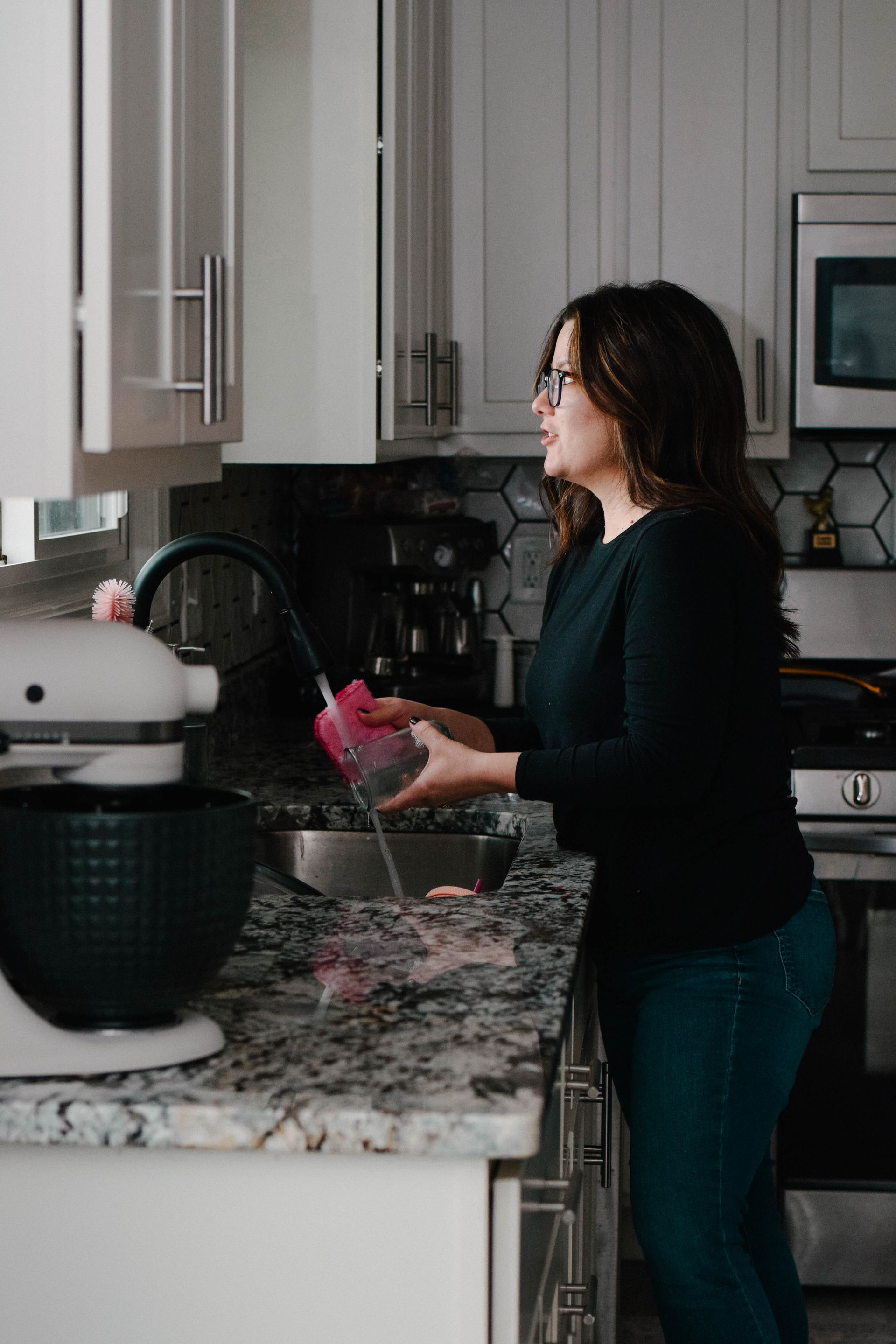

Meet Kayla Clark – Postpartum Doula in Central Illinois
Hi, I’m Kayla Clark, a postpartum doula based in Central Illinois, supporting families through one of the most tender and transformative seasons of life.
I’m 31, married to my best friend of 10 years, and a proud pet mama to a sweet dog and two cats. When I’m not caring for new families, you’ll usually find me enjoying a peaceful day at the lake, spending quality time with loved ones, or participating in volunteer ministry work—which is very close to my heart.
Supporting parents after baby arrives is not just my work—it’s a privilege. I’m honored to walk alongside families as they recover, adjust, and grow in confidence during the postpartum period.